Home Upgrades That Can Increase Your Property Value
How to Prioritize Value-Adding Upgrades (Outline and Strategy)
Before picking paint colors or shopping tile, step back and treat your home like a small investment project. Value-adding upgrades work best when they follow a plan that balances neighborhood expectations, your budget, and timing. Appraisers and buyers typically respond to condition, functionality, energy performance, and visual appeal. The sequence matters: repair what is broken, enhance efficiency, then refresh what the eye sees. This section lays the groundwork and provides the outline for the journey ahead.
Here is the roadmap we will follow:
– Strategy and budgeting: how to rank projects and avoid over-improving
– Kitchens and bathrooms: high-impact refreshes and remodels
– Energy and mechanicals: efficiency, comfort, and operating costs
– Curb appeal and exterior: first impressions that influence offers
– Conclusion and action plan: checklists and timelines you can use
Start by anchoring your budget to market reality. A common guardrail is to keep total improvements within a range the neighborhood can support; putting 10–15% of a home’s current value into upgrades is often reasonable for catch-up maintenance and targeted improvements, while going far beyond that risks over-improving. Compare similar, recently sold homes and note features they share: updated kitchens, newer roofs, modern HVAC, or fresh exterior paint. The goal is to meet or slightly exceed the median expectation for your area rather than to chase luxury features the market may not reward.
Next, stage projects in an order that protects your investment:
– Fix water issues and safety hazards first (roof leaks, faulty wiring, drainage)
– Tackle energy losses and mechanicals second (insulation, HVAC, windows)
– Refresh high-visibility spaces third (kitchens, baths, flooring, paint)
– Elevate curb appeal last (landscaping, entry doors, exterior accents)
On returns, think in ranges, not promises. Minor kitchen or bath updates often recoup a meaningful share of cost, efficiency upgrades can reduce bills and strengthen appraisal comps, and curb appeal can support higher buyer interest. Returns vary by region, labor rates, and the starting condition of the home. Build in a 10–15% contingency for surprises, pull permits where required, and document every upgrade with dated photos and receipts so future buyers and appraisers can verify quality and scope. With this compass set, you’ll avoid detours and spend where the market tends to say “yes.”
Kitchens and Bathrooms: High-Impact Spaces That Buyers Notice
Kitchens and bathrooms frequently influence perceived value because they concentrate daily use, durability, and design. The encouraging news is you don’t have to gut and rebuild to make a difference. A “light-touch” kitchen refresh—painting or refacing cabinet fronts, swapping dated hardware, installing a durable countertop, upgrading a faucet, and replacing tired lighting—can land in the $5,000–$20,000 range depending on room size and materials. In many markets, such projects have historically returned a significant portion of cost at resale because they modernize without moving walls.
Full kitchen remodels vary widely. A midrange scope might run $25,000–$60,000 with semi-custom cabinetry, resilient surfaces, and upgraded appliances, while a major overhaul that relocates plumbing and electrical can escalate well beyond that. Returns generally taper as costs rise; premium selections and complex layouts may delight, but the payback relies on higher-end comps nearby. To keep value aligned with spend, emphasize:
– A functional work triangle and storage solutions
– Durable, easy-to-clean surfaces (quartz, porcelain, high-quality laminates)
– Timeless, neutral finishes that photograph well
– Efficient lighting layers (ambient, task, under-cabinet)
– Ventilation that actually clears steam and odors
Bathrooms respond similarly. A modest update—new vanity, faucet, mirror, lighting, low-flow toilet, and fresh grout—can fall between $2,000–$8,000 for a small bath and $12,000–$30,000 for a midrange renovation with tile and waterproofing. Primary-suite overhauls scale higher, but the resale bump depends on comps and overall home price. Waterproofing quality is essential; hidden moisture problems erode both value and buyer trust. Consider:
– Low-flow fixtures that feel good to use while trimming water bills
– Slip-resistant tile in showers and on floors
– Adequate storage niches and quiet ventilation
– Bright, neutral finishes that reflect light in listing photos
Trends come and go, so think “calm and cohesive” rather than loud statements. Choose a restrained color palette, repeat a few materials for continuity, and let smaller accents carry personality. By improving function first and aesthetics second, you create rooms that show well, live comfortably, and support value without overshooting what nearby properties justify.
Energy Efficiency and Mechanicals: Invisible Upgrades That Strengthen Value
While buyers fall in love with a great kitchen, many quietly scrutinize monthly costs and system ages. That’s where efficiency and mechanical upgrades shine. Air sealing and attic insulation often deliver one of the most cost-effective comfort boosts, with installed projects commonly ranging $1,000–$4,000 depending on home size. Sealing leaks and adding appropriate insulation levels can trim heating and cooling usage by a noticeable margin—often in the 10–20% range—while smoothing temperature swings that buyers feel during showings.
Windows are visible and functional, yet the numbers are nuanced. Full-home replacements might range $600–$1,200 per window installed, more for large or specialty units. New windows can enhance comfort, reduce drafts, and quiet street noise. Resale returns vary, but combining window upgrades with air sealing prevents spending heavily on glass while neglecting the root causes of heat loss. When evaluating windows, weigh:
– Energy ratings appropriate for your climate zone
– Quality installation with proper flashing and sealing
– Balanced design that respects the home’s architecture
Heating and cooling deserve a hard look. Replacing a tired furnace or dated air conditioner with a high-efficiency system, including modern heat pumps, can reduce energy use significantly compared with older equipment, especially when paired with good duct sealing. Installed costs vary widely—$8,000–$18,000 is a common range for whole-home solutions. Buyers often ask about system age; newer equipment can ease inspection hurdles and add confidence that the home will be comfortable across seasons.
Water heating is another quiet contributor. Heat pump water heaters and efficient tankless or storage models can cut energy consumption relative to older units, often for $1,500–$3,000 after available incentives. Speaking of incentives, many regions offer rebates or tax credits for efficiency improvements. These can meaningfully lower net costs and improve payback periods, though programs change periodically and require verification.
Finally, don’t overlook the electrical panel, roof condition, and basic safety upgrades (smoke and CO alarms, GFCI and AFCI protection where required). A healthy mechanical backbone reduces surprise repairs, supports appraisal notes on condition, and complements your visible updates. The cumulative effect—lower bills, quieter rooms, and fewer inspection callouts—can make offers come faster and negotiations less bumpy.
Curb Appeal and Exterior: First Impressions That Influence Offers
Buyers form opinions the moment they pull up. Strong curb appeal won’t disguise structural issues, but it can frame your home as well cared for and move-in ready. Several studies have linked exterior condition to modest price premiums, often in the low single digits, with well-maintained landscapes and fresh paint contributing to higher buyer interest. That uptick can be the difference between one offer and several.
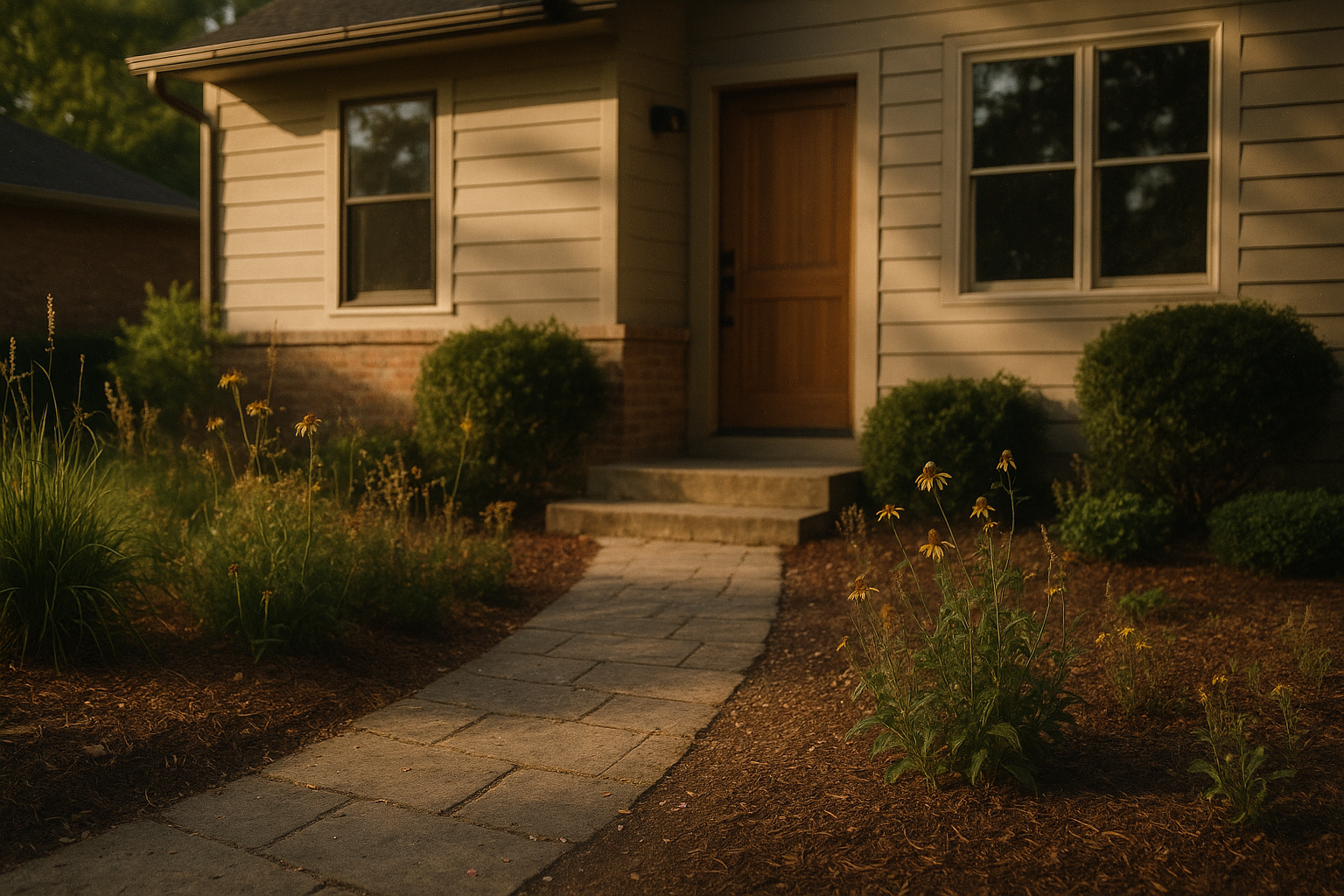
Start where eyes land first: the entry. A new or refinished front door, updated house numbers positioned legally and tastefully, and a clean, well-lit path set the tone. Front door replacements commonly run $1,000–$4,000 installed, depending on material and glazing. Pair that with power washing paths and siding, repairing cracked steps, and repainting trim where flaking shows. Small changes add up in photos, which drive showings.
Landscaping offers scalable options:
– Weed, edge, and mulch beds for instant contrast
– Add native, drought-tolerant plants to reduce maintenance
– Prune trees away from roof and windows for light and safety
– Refresh the lawn with overseeding or consider low-water groundcovers
Expect $1,000–$5,000 for a tidy front makeover, more if you add a new walkway, stone borders, or irrigation tweaks. Outdoor living elements such as a modest deck repair, a resurfaced patio, or simple seating zones can help buyers imagine life there without a full backyard overhaul. Exterior paint can transform a façade; whole-house jobs often land between $3,000–$8,000 for average sizes, contingent on prep quality and trim complexity. Choose a restrained, neighborhood-friendly palette and prioritize meticulous prep over flashy colors.
Other exterior upgrades that influence value include garage door replacements (frequently well-regarded for appearance and function), roof tune-ups or replacements where nearing end of life, and modest lighting improvements that highlight entries and pathways safely. The theme is to remove doubt: no peeling paint, no sagging gutters, no mystery stains. When the exterior reads “cared for,” buyers anticipate the interior will match—an expectation that supports stronger offers and smoother negotiations.
Conclusion and Action Plan: Turn Goals Into a Market-Smart Upgrade List
By now you have a framework: fix what threatens the home, tighten energy leaks and refresh systems, elevate kitchens and baths, then polish the exterior. The next step is turning that framework into a schedule and budget tailored to your address. Start with a simple walk-through and annotate every room and exterior elevation. Note condition, functionality, safety items, and cosmetic opportunities. Cross-reference those notes with recent local sales to see which features consistently show up in winning listings.
Build a phased plan:
– Phase 1 (0–3 months): Repairs and safety. Address roof leaks, drainage, electrical issues, and water intrusion. Air seal obvious gaps and improve attic insulation if accessible.
– Phase 2 (3–6 months): Efficiency and mechanicals. Evaluate HVAC age and performance, water heater efficiency, and any window or door failures. Gather at least three quotes.
– Phase 3 (6–12 months): High-visibility rooms. Prioritize a kitchen or bath refresh that meets neighborhood norms. Keep finishes cohesive and durable.
– Phase 4 (timed to listing or seasonally): Curb appeal. Fresh mulch, trimmed plants, clean siding, and a welcoming entry.
Match scope to budget. With about $2,000, focus on deep cleaning, paint touch-ups, landscaping, and minor fixture swaps. Around $10,000 can cover a focused bath refresh, insulation and air sealing, and a new entry door. A $50,000 allocation can deliver a thoughtful midrange kitchen update plus system upgrades aligned with inspection readiness. Whichever tier you choose, preserve a 10–15% contingency and get everything in writing from contractors, including permits, materials, timelines, and warranties.
Common pitfalls to avoid:
– Over-customizing finishes in ways that narrow your buyer pool
– Skipping permits where required, risking appraisal and insurance issues
– Choosing trendy materials with poor durability
– Ignoring small exterior flaws that undermine first impressions
Finally, document your work. Keep dated photos, receipts, and spec sheets in a simple folder to hand buyers and appraisers. A property that feels comfortable, looks cohesive, runs efficiently, and comes with a tidy paper trail signals lower risk and higher value. With a market-aware plan, you can invest confidently, enjoy the upgrades now, and approach your eventual sale with calm, data-backed clarity.


